


Introduction to scrap recovery services
Scrap recovery services are an essential part of the recycling industry. These services help in collecting, sorting, and processing various types of scrap materials, including metals, plastics, and paper. The goal of scrap recovery services is to recover and recycle as much material as possible to reduce waste and preserve natural resources. This process supports the circular economy by giving new life to discarded materials. The demand for scrap recovery services is expected to grow in the next decade as more businesses and individuals prioritize sustainability and environmental responsibility.
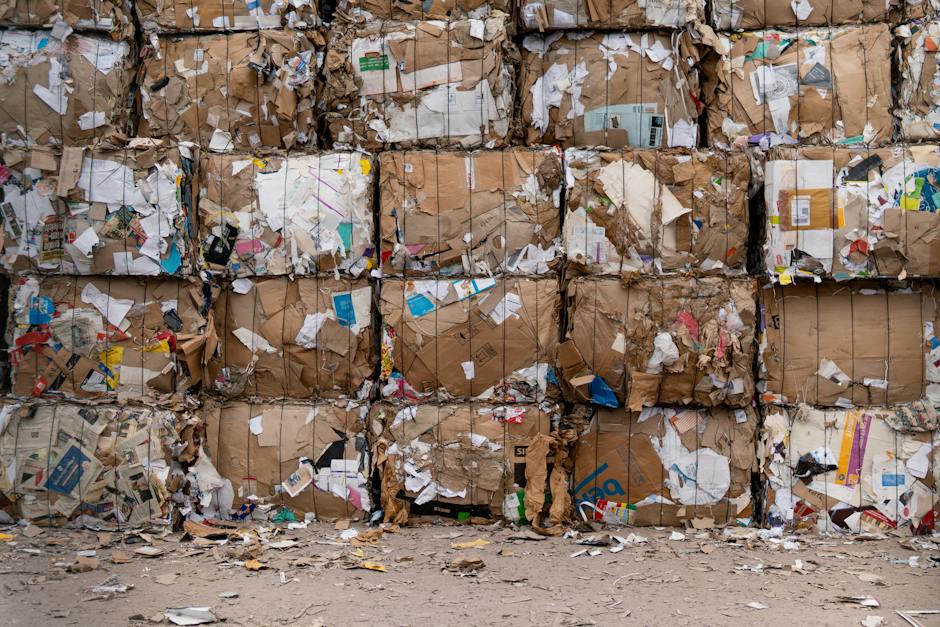
Current trends in scrap recovery services
Scrap recovery services are increasingly adopting advanced technology to improve efficiency and sustainability. As per industry reports, the use of AI and automation is on the rise, leading to faster and more accurate sorting of recyclable materials. Moreover, there is a growing emphasis on developing innovative techniques for extracting valuable materials from complex electronic waste. Additionally, the concept of circular economy is gaining momentum, encouraging the reutilization of recovered materials in new manufacturing processes, reducing the need for virgin resources.
Emerging technologies in the scrap recovery industry
Emerging technologies in the scrap recovery industry are shaping the future. Innovations such as robotic sorting systems, advanced material identification techniques, and automated processing equipment are revolutionizing the industry. These technologies are enhancing efficiency, reducing errors, and increasing the recovery of valuable materials from scrap. Artificial intelligence and machine learning are also being integrated into scrap recovery processes to improve predictive maintenance and optimize operations. These advancements are poised to transform the scrap recovery industry in the coming decade.
Environmental sustainability in scrap recovery
Scrap recovery services are increasingly focusing on environmental sustainability to minimize the impact on the environment. This includes implementing practices such as reducing energy consumption, minimizing waste generation, and ensuring proper disposal of hazardous materials. Additionally, the industry is exploring innovative technologies to improve resource recovery and recycling processes, ultimately contributing to a more sustainable future.
Market analysis of scrap recovery services
Scrap recovery services are expected to see significant growth in the next decade, driven by increasing awareness and initiatives for sustainable and eco-friendly practices. According to industry experts, the global market for scrap recovery services is projected to expand at a steady rate, with a particular focus on emerging markets. Key trends to watch include the adoption of advanced technologies for efficient scrap collection and processing, the rise of innovative business models for scrap recovery, and the development of new methods for recycling diverse types of scrap materials.
Future predictions for the scrap recovery industry
The scrap recovery industry is expected to see significant growth in the next decade, driven by technological advancements and increasing environmental consciousness. Here are some key future predictions for the scrap recovery industry:
- Technological Advancements: The industry is likely to witness the integration of advanced technology, such as AI and robotics, to streamline and enhance the efficiency of scrap recovery processes.
- Circular Economy: There will be a continued shift towards a circular economy, leading to an increased focus on recycling and reusing materials, ultimately driving the demand for scrap recovery services.
- Environmental Regulations: Anticipate stricter environmental regulations and sustainability initiatives, promoting the importance of responsible scrap recovery practices.
- Global Expansion: The demand for scrap recovery services is expected to grow globally, particularly in emerging economies as they prioritize sustainable development.
These trends indicate a bright future for the scrap recovery industry, presenting opportunities for innovation and growth in the coming years.
Impact of globalization on scrap recovery services
Globalization has significantly affected scrap recovery services, leading to both opportunities and challenges. As industries become more interconnected across borders, the demand for scrap materials fluctuates based on international market dynamics. This can affect the availability and pricing of scrap materials for recovery services. Moreover, globalization has opened up opportunities for scrap recovery services to access a wider market for their recycled materials. However, it has also intensified competition as companies from different parts of the world enter the scrap recovery industry. Understanding the impact of globalization is crucial for the future of scrap recovery services in the next decade.
Innovations in scrap recovery processes
Innovations in scrap recovery processes have been creating a buzz in the industry. Some of the exciting trends to keep an eye on in the next decade include:
- Advanced Sorting Technologies: New sorting technologies using artificial intelligence and machine learning are enhancing the accuracy and efficiency of material separation in scrap recovery facilities.
- Robotics and Automation: Robotics and automation are being increasingly integrated into scrap recovery processes, leading to improved safety, productivity, and cost savings.
- Sustainable Practices: The focus on sustainability is driving the development of innovative processes that minimize waste and energy consumption, while maximizing the recovery of valuable materials.
- Digitalization and Data Analytics: The adoption of digital tools and data analytics is revolutionizing the way scrap recovery services operate, leading to better decision-making and optimization of processes.
Stay tuned for further insights into how these innovations will shape the future of scrap recovery services!
Challenges and opportunities in scrap recovery
Scrap recovery services face challenges due to the increasing complexity of materials and the need for advanced sorting and processing technologies. However, this also presents opportunities for innovation and growth in the industry. As consumer goods become more sophisticated, the demand for efficient scrap recovery processes is expected to rise, creating new opportunities for companies in this sector. Additionally, the shift towards sustainable practices and circular economy principles offers a chance for scrap recovery services to play a vital role in resource conservation and environmental protection.
Conclusion: The outlook for scrap recovery services
In conclusion, the outlook for scrap recovery services appears promising as we anticipate the next decade’s trends. As sustainability becomes a paramount global concern, the demand for efficient and innovative scrap recovery services is expected to rise. Advancements in technology, coupled with a growing awareness of environmental responsibility, are likely to reshape the landscape of scrap recovery. Embracing circular economy principles and adopting eco-friendly practices will play a pivotal role in the industry’s evolution. The future holds exciting possibilities, positioning scrap recovery services as integral contributors to a more sustainable and resource-efficient world.
