


Introduction to tech waste recycling
Tech waste recycling is the process of collecting and reprocessing electronic waste to recover valuable metals and reduce environmental impact. Through modern approaches, such as innovative sorting techniques and advanced recovery methods, recycling facilities can efficiently extract metals from discarded electronic devices. This helps to conserve natural resources and minimize the need for new metal production, ultimately contributing to a more sustainable and eco-friendly recycling process.
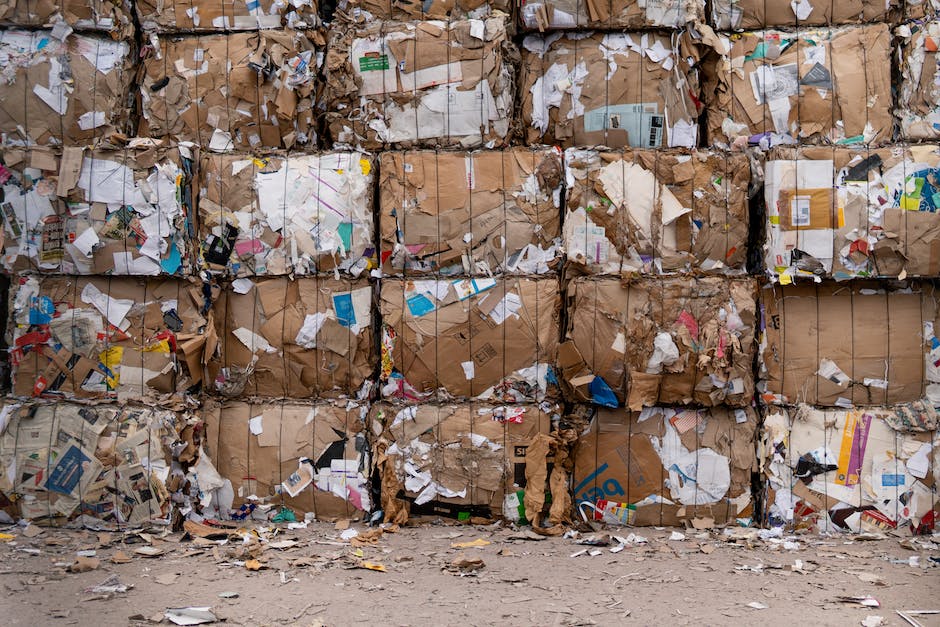
Understanding metal recovery from tech waste
Recycling tech waste is a intricate process that entails recovering valuable metals found in electronic devices. By innovating metal recovery techniques, it is now possible to extract metals like gold, silver, copper, and palladium from old electronic gadgets. This approach not only reduces the environmental impact of tech waste but also conserves valuable resources for future use.
Traditional methods of tech waste recycling
Traditional methods of tech waste recycling often involve processes like shredding, sorting, and smelting. Shredding breaks down the electronic devices into smaller pieces, while sorting separates the different materials. The smelting process then involves melting the metals to extract valuable components. However, these methods can be energy-intensive and may not recover all the valuable metals present in the tech waste.
Challenges in traditional tech waste recycling
Traditional tech waste recycling processes often face challenges in efficiently recovering metals from electronic devices. The complexity and diversity of electronic components make it difficult to extract metals in a cost-effective and environmentally friendly manner. Additionally, the presence of hazardous materials in tech waste poses health and environmental risks during the recycling process. Furthermore, the inadequate infrastructure for recycling electronic devices can result in inefficient separation and recovery of valuable metals. These challenges have prompted the need for modern approaches to tech waste recycling, to overcome these obstacles and ensure more sustainable metal recovery.
Innovations in tech waste recycling
Innovations in tech waste recycling are transforming the way we recover valuable metals from electronic devices. Modern approaches, such as hydrometallurgical and bioleaching methods, are being used to separate precious metals like gold, silver, and copper from electronic waste. These advanced techniques are more efficient and eco-friendly than traditional methods, reducing the environmental impact of tech waste recycling. Additionally, researchers are exploring methods to recover rare earth elements, which are crucial for manufacturing electronics, from e-waste. These advancements in metal recovery not only help in conserving natural resources but also contribute to a more sustainable and circular economy.
Advanced metal recovery techniques
When it comes to advanced metal recovery techniques, there are several modern approaches that are being utilized to recycle tech waste effectively. This includes innovative methods such as hydrometallurgical processes and electrochemical techniques that aim to recover valuable metals from electronic devices. These techniques not only help in reducing the environmental impact of tech waste but also contribute to the sustainable use of metal resources. With the increasing demand for electronic gadgets, it’s crucial to explore and implement these advanced metal recovery techniques to address the challenges of tech waste recycling.
Benefits of modern approaches in metal recovery
With modern approaches in metal recovery, we can now extract valuable metals from electronic waste more efficiently. This not only helps to reduce environmental impact by recycling these metals but also provides a sustainable source of raw materials for new technology. Innovations in metal recovery also contribute to reducing the need for mining, which can be a destructive process. By implementing these modern approaches, we can make significant strides towards a more sustainable and eco-friendly tech waste recycling system.
Technological advancements in recycling process
Recycling technology has advanced significantly in recent years, particularly in the recovery of metals from tech waste. One recent approach involves using innovative methods like leaching, electrochemical recovery, and bioleaching to extract valuable metals such as gold, silver, and copper from discarded electronic devices. These modern techniques are not only more efficient but also more environmentally friendly, as they reduce the amount of waste sent to landfills while maximizing the recovery of precious resources.
Environmental impact of modern tech waste recycling
Tech waste recycling has a positive impact on the environment by reducing the amount of electronic waste in landfills and minimizing the need for extracting new raw materials. Modern approaches in metal recovery help to conserve natural resources and reduce energy consumption in the production of new metal products. By efficiently recovering and reusing valuable metals from tech waste, such as gold, silver, and copper, the process contributes to a significant reduction in the environmental footprint of electronic waste disposal.
Conclusion and future prospects
After learning about the current methods of metal recovery in tech waste recycling, it’s clear that there are many innovative and promising approaches being developed. The use of advanced technologies like hydrometallurgy, bioleaching, and electrochemical processes shows great potential for improving metal recovery efficiency while reducing environmental impact. Additionally, the implementation of circular economy principles and sustainable practices in metal recovery processes is crucial for the future of tech waste recycling. As we look ahead, it’s exciting to see how these modern approaches will continue to evolve and contribute to a more sustainable and efficient recycling industry. The future prospects for innovations in tech waste recycling are promising, and it’s an exciting time to be part of this dynamic field.
