


Introduction to scrap recovery services
Scrap recovery services play a crucial role in today’s economy by salvaging and recycling materials that would otherwise go to waste. These services help in reducing environmental impact and conserving natural resources. By collecting, processing, and repurposing scrap materials, scrap recovery services contribute to sustainable and responsible waste management practices. This helps businesses and industries minimize their environmental footprint and supports the circular economy model, where materials are reused and recycled to promote a more sustainable future.
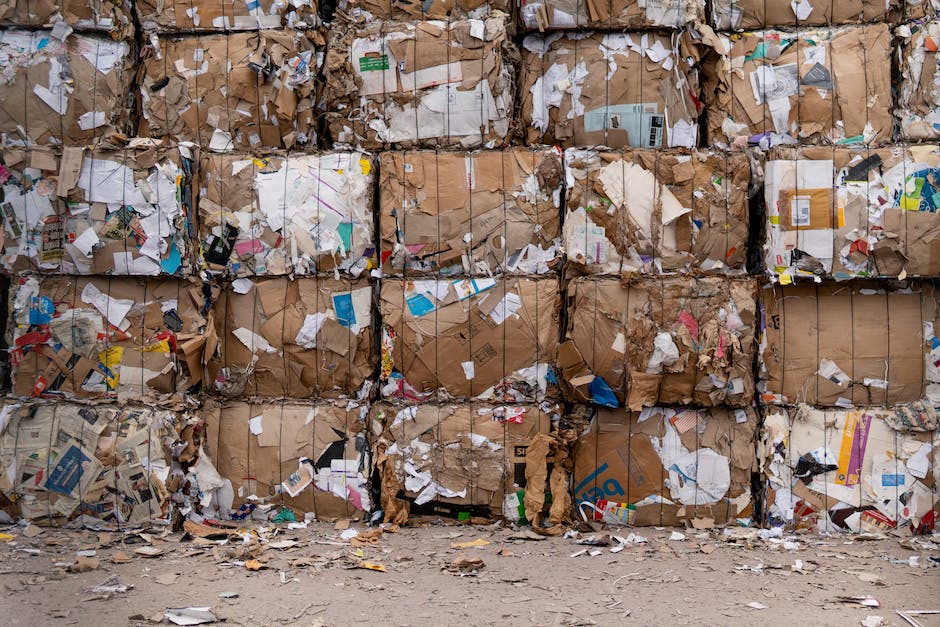
The environmental impact of scrap recovery
Recycling scrap metal reduces the need for new mining, which can damage the environment. It also reduces greenhouse gas emissions and conserves energy. Additionally, the recycling process generates less air and water pollution compared to the extraction of raw materials. Recycling one ton of steel can save 2,500 pounds of iron ore, 1,400 pounds of coal, and 120 pounds of limestone. In fact, the environmental benefits of scrap recovery are significant and play a crucial role in reducing the impact of metal production on the planet.
Types of scrap materials commonly recovered
Various types of scrap materials are commonly recovered in today’s economy. These include metals such as steel, aluminum, copper, and brass, as well as paper, plastic, and electronics. These materials are valuable resources that can be recycled and reused, reducing the need for new raw materials and contributing to environmental sustainability. Additionally, recovering scrap materials helps to conserve energy and reduce greenhouse gas emissions, making it a vital aspect of modern resource management.
Importance of scrap recovery services in the economy
Scrap recovery services play a crucial role in today’s economy by contributing to environmental sustainability and resource conservation. These services help in the recycling and recovery of valuable materials from discarded items, reducing the need for new raw materials. This, in turn, reduces energy consumption and minimizes the environmental impact of manufacturing processes. Additionally, scrap recovery services create employment opportunities and contribute to the overall economic growth by generating revenue through the sale of recovered materials. By promoting a circular economy, these services are instrumental in reducing waste and promoting sustainable resource management.
Economic benefits of scrap recovery
Scrap recovery can help businesses reduce production costs and increase their profits. It allows companies to recycle and reuse materials, leading to less waste and a more sustainable operation. This, in turn, improves the overall efficiency of the business. Additionally, scrap recovery services contribute to the economy by creating job opportunities in the recycling industry. Finally, by reducing the demand for raw materials, scrap recovery helps to conserve natural resources.
Challenges in scrap recovery
Significant challenges in scrap recovery are often related to the fluctuating prices of scrap materials, market demand, and the high cost of equipment and labor. Additionally, environmental regulations and the need for efficient recycling processes present hurdles in the industry. Market demand and fluctuating scrap material prices dictate the profitability of scrap recovery services, making it essential for companies to stay updated on market trends. The high cost of equipment and labor also poses a challenge for many businesses in the scrap recovery sector. Finally, environmental regulations and the pursuit of more efficient recycling processes also contribute to the difficulties faced by scrap recovery services.
Technology and innovation in scrap recovery
Technological advancements have revolutionized the scrap recovery industry, making the process more efficient and environmentally friendly. Innovations such as automated sorting systems, advanced materials separation techniques, and enhanced metal detection technology have significantly improved the recovery of valuable resources from scrap materials. These advancements not only increase the efficiency of scrap recovery but also contribute to reducing waste and minimizing environmental impact. Additionally, the integration of digital systems and data analytics allows for better tracking and management of scrap materials throughout the recovery process, leading to improved transparency and accountability.
Choosing the right scrap recovery service provider
When selecting a scrap recovery service provider, it’s essential to consider various factors. Here are the key points to keep in mind:
- Look for a provider with a proven track record of efficiently recovering and recycling scrap materials
- Ensure the provider offers competitive pricing for their services
- Check if the provider has the necessary certifications and compliance with environmental regulations
Choosing the right scrap recovery service provider is crucial for efficient and sustainable management of scrap materials in today’s economy.
The process of scrap recovery
Scrap recovery is the process of collecting and reusing discarded metal materials to create new products. This is essential for conserving natural resources and reducing the environmental impact of manufacturing. The process involves sorting, processing, and melting down scrap metal to be reshaped into new materials. Scrap recovery services play a crucial role in managing waste and promoting sustainability in today’s economy.
Conclusion and future outlook
Scrap recovery services are crucial in the current economy as they help in reducing waste and conserving natural resources. It is evident that the demand for scrap recovery services will continue to grow as industries and businesses increasingly prioritize sustainability and environmental responsibility. As technology advances, we can expect to see more efficient and innovative methods for scrap recovery, further contributing to a greener and more sustainable future.
